

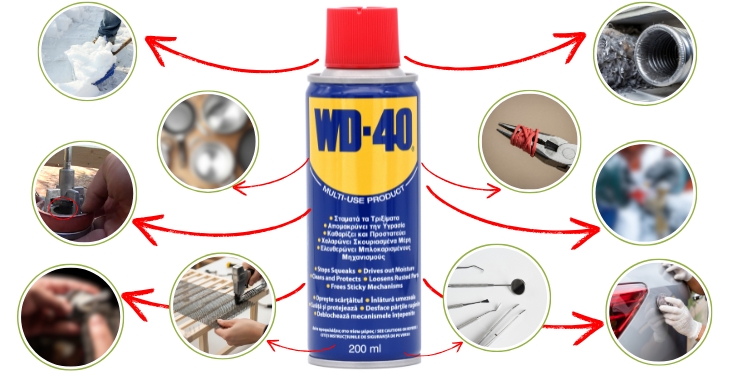


Most people have a can of WD-40 somewhere. It’s usually sitting on a shelf in the garage or shoved in the back of a cabinet, half empty, with the red straw missing. It only comes out when something stops working the way it should.
I’ve kept WD-40 around for decades. Sometimes I forget about it for months, then I’ll use it three times in one day. That’s how it usually goes. You don’t think much about it until something sticks, squeaks, or refuses to move, and then you’re glad you didn’t throw the can out.
Many folks think WD-40 has one job. Maybe two. The truth is, it can solve a long list of everyday problems, especially if you’re the type who likes to fix things yourself instead of replacing them.
These are some of the ways I’ve used WD-40 over the years. Nothing fancy. Just things that worked when I needed them to.
Rusted Fasteners That Won’t Budge
Anyone who’s worked on an old truck, tractor, fence, or piece of equipment has dealt with fasteners that refuse to budge. The mistake most people make is trying too hard too fast.
Spray WD-40 on the rusted area and let it sit. Ten minutes is good, fifteen is better. If it’s really bad, spray it again and give it more time. Tapping the bolt lightly with a hammer helps the oil work its way into the threads.
This simple trick has saved me from snapping bolts and tearing up my knuckles more times than I can count.
Doors And Gates That Won’t Stop Squeaking
 Squeaky hinges might seem like a small thing until you’ve lived with them for years.
Doors, gates, screen doors, bed frames, porch swings, and old chairs all start making noise over time. Luckily, WD-40 can fix that fast.
Here’s how to do it: spray the moving part, work it back and forth, then wipe off the excess so dust doesn’t stick.
This way you make sure the noise disappears, and you won’t be reminded of it every time you open a door at night.
Stuck Zippers And Sliding Parts
In time, dirt, corrosion, or a lack of lubrication can make the teeth of the zipper bind and refuse to move.
A quick fix for this problem is to put a small amount of WD-40 on a cotton swab and lightly run it along the zipper teeth. Work the zipper back and forth slowly, without forcing it. In many cases, it will begin sliding smoothly again almost immediately.
👉 100+ tips to save money that many people are paying needlessly right now
This same approach works well for other stubborn sliding parts around the house or shop. Metal drawer slides, sliding doors, and old tracks can all suffer from grime and wear that restrict movement.
A light application of lubricant, followed by gentle movement to work it in, can restore and extend the life of these parts without the need for repairs or replacement.
Protecting Tools From Rusting
Tools rust when moisture gets to bare metal. This can happen fast in sheds, barns, and garages that aren’t climate-controlled. Before putting tools away for the season, wipe them down with a rag sprayed lightly with WD-40. Shovels, hoes, axes, saw blades, pruners, and even wrenches benefit from it.
It’s useful to know that you don’t need to soak them. A thin coat is enough to slow rust way down. Come spring and your tools will still be ready to work.
Of course, this little spray isn’t miraculous. To properly protect your gardening tools and other equipment, it’s important to store them in a climate-controlled space. That’s why we built a simple shed and want to share the idea with you. You only need pallets and a few other materials to make it. It’s designed to protect any kind of tool, and one of its biggest advantages is that it can be easily moved whenever you need.
Discover how to build this low-cost, easy project in the video below:
Cleaning Crayon, Marker, and Paint Marks
If you’ve ever had kids or grandkids around, you know that walls, floors, and furniture sometimes become art projects. WD-40 removes crayon marks, permanent marker, and light paint overspray from hard surfaces like concrete, metal, tile, and plastic.
Always test a small spot first, then wipe clean. From my experience, it works better than many store-bought cleaners.
Sticky Labels And Old Tape That Won’t Come Off
Price tags, tape, labels, duct tape residue, and old stickers can be harder to remove than the thing itself. WD-40 breaks down sticky glue without scraping or harsh chemicals. Spray a little, wait a minute, and wipe with a rag.
This matters when you’re serious about reusing jars or ammo boxes for long-term storage. Clean containers label better, stack better, and keep your stockpile organized, especially if you’re filling them with homemade preserved foods. The Amish have mastered this for generations.
So if you’re planning to add jars of jams, sauces, cooked beans, or other staples to your stockpile, don’t wing it. Learn how to do it the Amish way – and do it right every time:

Old Locks And Padlocks That Won’t Turn
Old locks and padlocks often stop turning because moisture, dirt, and rust build up inside the mechanism over time. This is common with outdoor locks, shed padlocks, gates, and storage units that are exposed to weather. The good news is that many of these locks aren’t broken at all, they’re just dry or clogged and need proper lubrication to work again.
Here’s how to fix a stuck lock step by step:
- Wipe dirt and debris from the outside of the lock and keyhole.
- Spray a small amount of WD-40 directly into the keyhole.
- Insert the key fully and gently move it in and out.
- Turn the key slowly back and forth without forcing it.
- Let the lubricant sit for a minute, then try again if needed.
Cleaning and Protecting Metal Surfaces
WD-40 works well for cleaning stainless steel sinks, metal countertops, toolboxes, and even gun safes. A light spray helps loosen fingerprints, grease, and built-up grime, while also breaking down light rust. After spraying, simply wipe the surface with a clean, dry rag to remove residue and bring back the shine.
👉 Let’s Make a Smokehouse in a Barrel – the DIY project that Will Surprise You!
As you wipe, WD-40 leaves behind a thin protective layer that helps repel moisture. This makes it harder for water spots and corrosion to return, keeping metal surfaces cleaner and better protected over time.
Battery Terminals That Keep Corroding
Batteries that are left in devices too long or stored improperly often end up corroding, especially in environments with heat or temperature swings. Over time, batteries can leak small amounts of acid vapor, particularly as they age or discharge.
When this vapor reacts with moisture and the metal on battery terminals, it creates the chalky white or green buildup commonly seen on connections. This corrosion can lead to poor performance or complete power failure. In vehicles and equipment, it can also shorten battery life and strain electrical components.
After disconnecting the battery and cleaning the terminals with a proper brush or baking soda solution, a light coat of WD-40 can help slow the problem from coming back. Spray a small amount on the terminals and cable ends to create a protective barrier that repels moisture and helps block acid fumes from reaching the metal.
So, if you have corroded batteries sitting in a toolbox in the garage, there’s a simple trick to try. Clean the terminals with WD-40 first and then put them to work. Yes, you read that right!
What manufacturers don’t advertise is that many batteries still have usable power left. They just can’t deliver it efficiently because of poor contact or corrosion. Fix that, and you may get much more use out of them than you thought possible.
That’s why we created this quick and inexpensive homemade device that can keep batteries working nearly twice as long as you were led to believe:
Pushing Moisture Out Of Wet Equipment
WD-40 was originally created to push water away from metal surfaces. When tools, connectors, or small motors get wet, a light spray can help drive moisture out and reduce the chance of rust or electrical trouble.
It’s especially useful for:
- Ignition components.
- Electrical connections.
- Hand tools and small power tools.
After spraying, let everything dry completely before using it again. This simple step can save parts that might otherwise fail.
A Few Words of Common Sense
WD-40 is useful, but it’s not meant for everything. It’s not a replacement for proper grease in bearings, and it’s not meant to be sprayed on food surfaces. Used correctly, though, it’s one of the most versatile products you can keep on hand. Most people already own a can. Fewer people take full advantage of it.
2026 is here, folks! This means it’s time to put yourself to work on practical projects, while also taking advantage of the best offers of the year.
We’re giving you both: the opportunity to master skills that are becoming rare and a once-a-year discount you simply can’t miss.
No Grid Survival Projects has one mission – to bring you the best practical knowledge available and help you build the off-grid life you want, regardless of your age or budget. Low-cost, easy to build, and even fun to create with family and friends, this book is the perfect companion for the winter months.
And that’s not all. Inside, you’ll also discover a few powerful secrets that can help you save money, conserve water, and significantly reduce your electricity bills.
This is more than a book – it’s a smarter, more independent way of living.
Click HERE to get your special 73% DISCOUNT and 3 FREE GIFTS. (Last time this year!)

There’s something satisfying about fixing problems with simple tools and a little know-how. WD-40 fits that mindset perfectly. It helps you maintain what you own, stretch the life of your equipment, and avoid unnecessary trips to the store.
Keeping a few cans around the house, the garage, and the shed just makes sense. When something sticks, squeaks, rusts, or refuses to cooperate, you’ll already have what you need. And more often than not, that small can will save the day.
Have you ever used any of these WD-40 hacks? Or do you know of others that weren’t mentioned in this article? Share your tips in the comments below – we’d greatly appreciate it!
Frequently Asked Questions
Is WD-40 a lubricant or a cleaner?
It’s both, to a point. WD-40 loosens stuck parts, displaces moisture, and cleans light grime, but it’s not a substitute for heavy grease in bearings or high-load parts.
Can WD-40 damage surfaces?
On most metal, plastic, and hard surfaces it’s safe, but it can stain or soften certain finishes. Always test a small, hidden spot first.
Is WD-40 good for long-term rust prevention?
It helps slow rust by repelling moisture, especially on tools and exposed metal, but for long-term storage a dedicated rust inhibitor works better.
Can WD-40 be used on electrical parts?
Yes, carefully. It can push out moisture from connections, but equipment should be powered off and fully dry before use.
Should WD-40 be used indoors?
It’s fine for indoor use in small amounts, but use it in a well-ventilated area and wipe off excess to avoid attracting dust and dirt.
You may also like:
 Survival Items You Should Get from the Pet Store
THIS Precious Metal Will Hold Up Better Than Gold and Silver (VIDEO)
























Glad you included using it as a solvent for some glues, I have been doing that for several years. Its ok for some thread cutting especially on aluminum. Flammability is similar to kerosene if your tinder needs a little help when starting a fire. I am betting a lot of readers can chime in with things they have done with WD40.
Can’t use WD-40 in the auto body shop
It will cause great harm to the paint area.
Has silicone in it.
It also is a corrosive, meaning thats why it can break thru rusty bolts.
So remember that if you do not wipe it off after using it it will continue to be a corrosive to what ever it’s on…
Have not used WD40 in yrs, lot’s of yrs.
There is better on the market.
Good things to know.
stay sharp
I was a landlord for many years. I kept a can of charcoal lighter fluid at every property. I used it mainly for removing all the sticky things that tenants put on refrigerators.
WD40 will also remove tree sap from windshields.
Good for snow shovels, the fresh snow won’t stick to your shovel
I have used it for wasp killer
WHILE HOLDING AN IGNITION SOURCE IT MAKES A GREAT PORTABLE FLAME THROWER, USED IT TO COMPLETELY DESTROY A FIRE ANT MOUND, AND I LOVED THE IRONY
And irony is the key… LOL..! I can personally vouch for that…
I saw the snow shovel tip and will add that you can spray down the scoop and chute areas of your snowblower before you use it. Anywhere in this area that snow touches should be sprayed. Makes the snowblower work a whole lot better.
My dad was plagued with severe arthritis in his knees and he would apply WD-40 topically to them and rub it in. He swore by the stuff.
It might make a good after shave
It makes for a nice manly cologne in a pinch
yes I own a can, confession is now over. its WATER DISPLACEMENT, formula # 40
its good for a FEW things, but get some PB Blaster if you need a penetrant, Break free if you need a good Lube ( amazing on guns, US Mil product). AND only grease where you need grease.
In the Airplane world, we just DONT use WD 40, its temporary and your back where you started. OR worse as any other lube got washed away..
I have heard about the arthritis claim, and unknown by me. need a real study that also measures a placebo product. ITS CHEMICALS, dont forget that